
The Truth About Recycling Plastic: What Really Gets Reused?
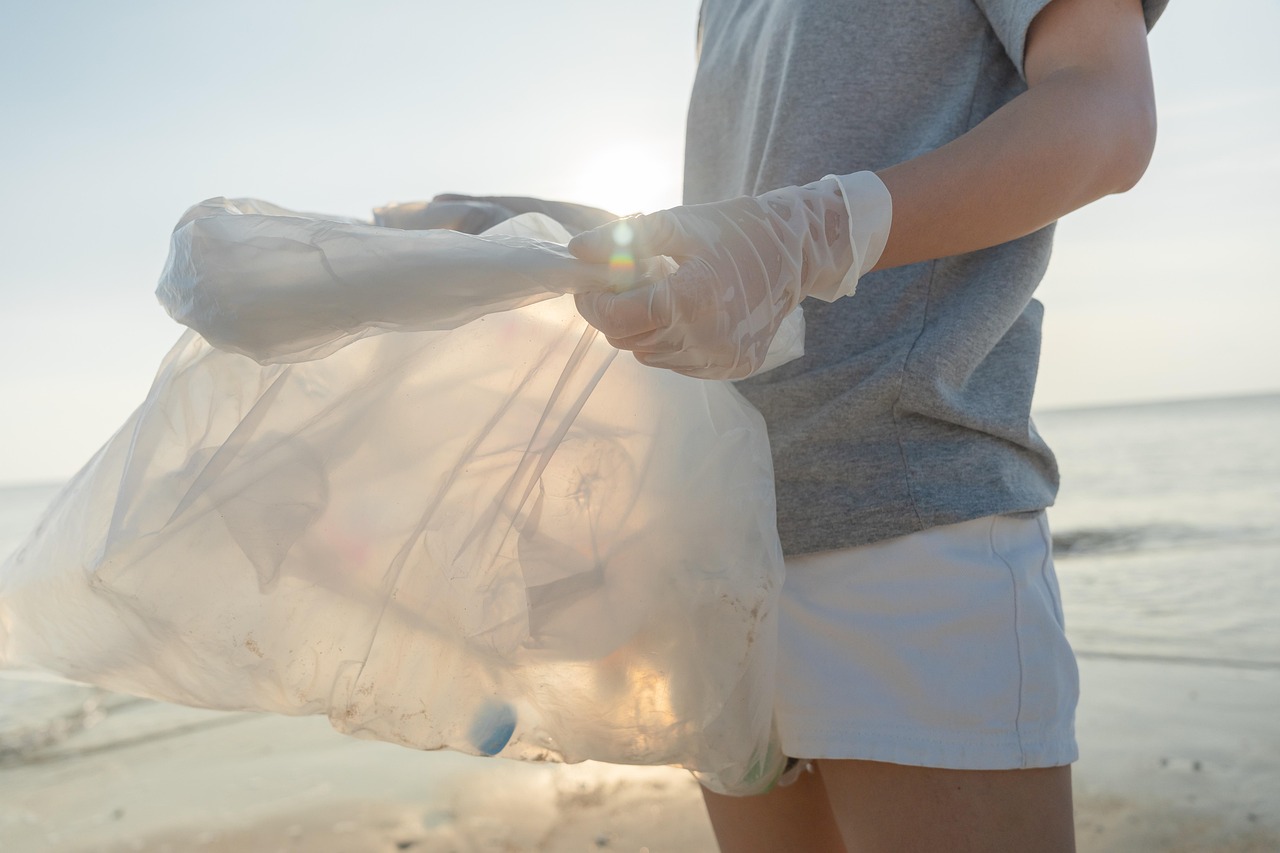
Plastic is everywhere. It’s in packaging, containers, clothes, and electronics. For decades, the message has been clear: recycle it. That blue bin became a symbol of responsibility. But as awareness grows, so does the doubt. How much plastic actually gets reused? The truth is more complicated than most people think. Many people now ask deeper questions, like when were plastics first used as they try to understand the scope of the problem. Recycling plastic sounds simple: use, toss, remake. In reality, the system faces major challenges. Not every piece of plastic can be recycled. And even when it can, it often isn’t.
Not All Plastics Are the Same
 One of the first things to understand is that plastic isn’t a single material. It’s a category. There are seven main types, each with different chemical structures and properties. Some are easier to recycle than others. PET, used in soda bottles, and HDPE, found in detergent containers, are the most commonly recycled. These plastics are widely accepted and can be processed efficiently.
Other types, like PVC or polystyrene, are harder to handle. They often require specialized equipment or produce low-quality recycled material. That’s why they rarely make it through the system, even if you place them in the right bin.
The Reality of Contamination
Clean plastic has a chance. Dirty plastic doesn’t. That’s one of the biggest issues in recycling today. When items are covered in food or mixed with the wrong materials, they’re often thrown out. Recycling facilities have strict standards. A greasy pizza box or a peanut butter jar with residue can spoil an entire batch. Many people don’t realize this. They want to do the right thing, but the rules aren’t always clear. To ensure recycling works, education and proper sorting are essential. Otherwise, even good intentions lead to more landfill waste.
Where the Plastic Actually Goes
 Most recycled plastic doesn’t come back as the same product. A bottle doesn’t become a new bottle. Instead, it’s often “downcycled” into lower-grade materials. That means park benches, carpets, or construction items. While this gives the plastic another use, it limits how many times it can be reused. In some cases, plastic sent for recycling is shipped overseas. There, it may be processed or it may be dumped.
This part of the chain is hard to track. It depends on market demand, local regulations, and available infrastructure.
Economics and Efficiency
Recycling is a business. If it doesn’t make money, it often doesn’t happen. New plastic is cheap to produce, especially when oil prices are low. That makes it hard for recycled plastic to compete. Facilities may find it more cost-effective to trash certain items than to process them. This economic pressure limits how much plastic is actually reused. Even in areas with strong recycling programs, only a fraction of plastic waste gets turned into new products. Globally, estimates suggest that less than 10% of all plastic ever made has been recycled.
Innovations and Alternatives
Despite the challenges, new technologies are emerging. Chemical recycling is one area with potential. Instead of melting plastic, it breaks it down to its original components. This could allow for more efficient reuse of complex plastics. However, these systems are expensive and not yet widespread. Another trend is in design. Companies are exploring ways to make packaging more recyclable from the start. Simplifying materials, using fewer dyes, and avoiding mixed components can increase the chance of reuse. These small changes can lead to better results across the entire system. Reusable packaging is also growing in popularity. Instead of recycling after one use, containers are cleaned and used again. It’s a different model that focuses on reduction rather than just recycling. The long-term impact of this approach depends on consumer habits and support from industry.
In Conclusion
It’s easy to feel discouraged by the limitations of plastic recycling. But that doesn’t mean individual choices don’t matter. Recycling still plays a role in reducing landfill waste and resource use. What’s needed is a clearer understanding of what works and what doesn’t. We must also look beyond recycling. The utmost impact …
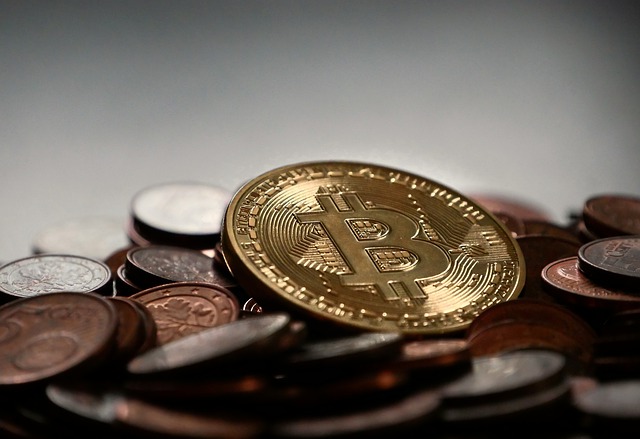
 With the recent surge in the popularity of cryptocurrencies, many people are interested in investing in them. However, it’s important to remember that the crypto market is still highly volatile. This means that prices can go up and down very quickly, and it’s important to do your research before investing.
 A reputable exchange platform is important when you’re ready to buy and sell cryptocurrencies. There are a lot of different exchanges out there, but not all of them are created equal. Some platforms are much more reliable than others, and it’s essential to do your research before choosing one.
